

India’s Fintech Vision 2030 places financial technology at the core of national transformation. As India moves toward becoming a $10+ trillion economy, fintech is no longer an enabler—it is the engine driving financial inclusion, digital governance, cashless commerce, and global financial leadership.
By 2030, India is expected to host the world’s most advanced, inclusive, and scalable fintech ecosystem, redefining how money is saved, spent, borrowed, invested, and governed.
1. Fintech as the Backbone of India Vision 2030
Fintech in India has evolved from payment apps to a full-stack financial infrastructure supporting:
- Citizens
- MSMEs
- Corporates
- Government services
- Global financial flows
With support from institutions like Reserve Bank of India and large-scale digital public infrastructure, fintech has become a strategic national asset.
| Fintech Role | Impact by 2030 |
|---|---|
| Digital Access | Universal financial inclusion |
| Automation | Faster, cheaper financial services |
| Transparency | Reduced fraud & leakage |
| Innovation | Global fintech leadership |
2. Payments & the Cashless Economy

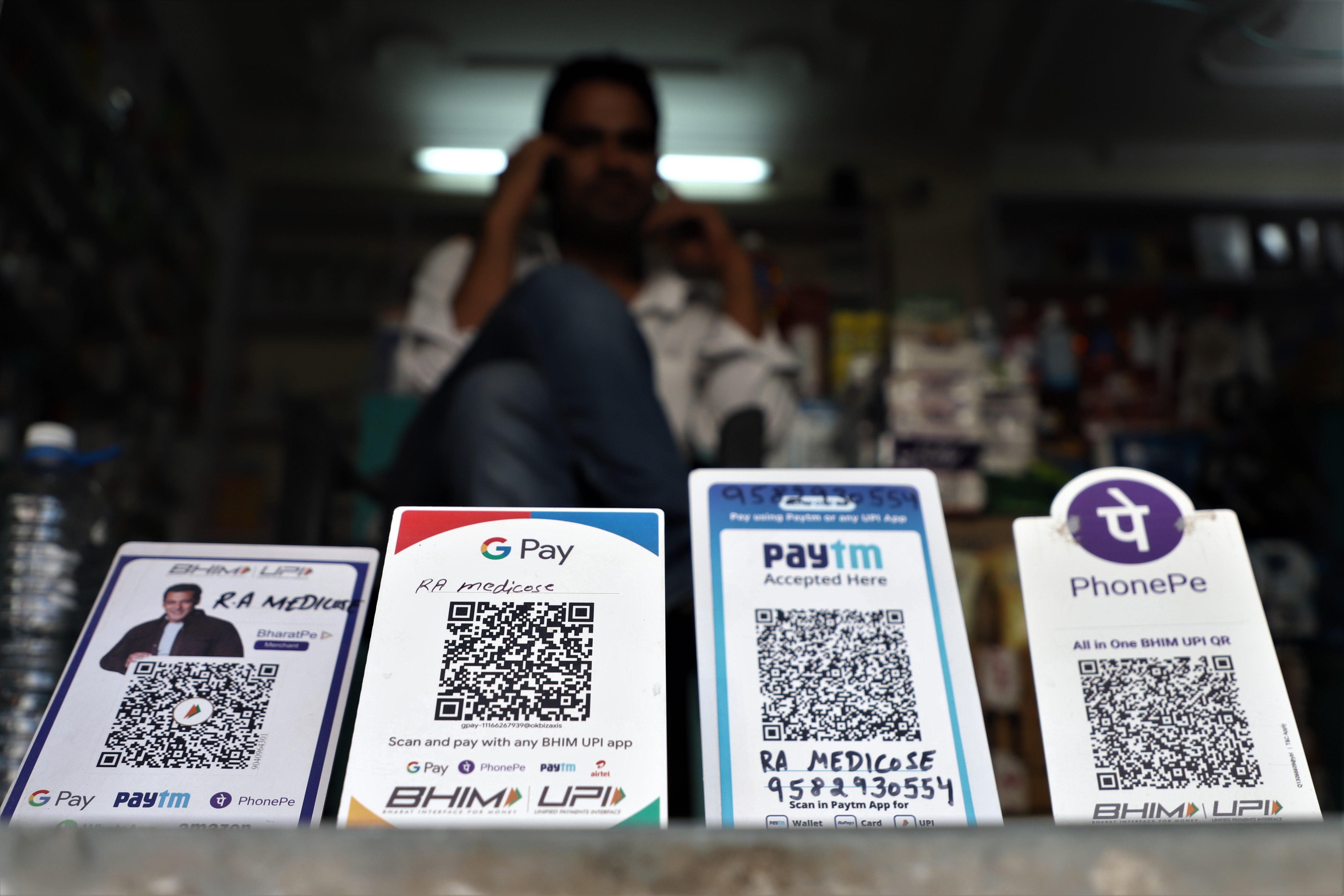
India’s payment revolution—led by Unified Payments Interface—has become a global case study.
Vision 2030 Goals:
- Near-cashless domestic economy
- Real-time cross-border payments
- Offline digital payments for rural India
- Merchant-first payment innovation
| Payment Segment | Vision 2030 Outcome |
|---|---|
| Retail Payments | 95% digital transactions |
| Cross-Border Payments | Low-cost, instant settlements |
| Merchant Payments | Universal QR adoption |
| Government Payments | Fully digital disbursements |
3. Digital Banking & Embedded Finance
Traditional banking models are transforming into platform-driven digital banking ecosystems.
Key Trends:
- Embedded finance inside non-financial apps
- Banking-as-a-Service (BaaS) models
- API-led open banking frameworks
- Personalized, data-driven financial products
By 2030, financial services will be invisible but ubiquitous—available at the moment of need.
4. AI, Data & Intelligent Credit Systems
Artificial Intelligence will redefine credit and risk in India.
AI-led Fintech Capabilities:
- Alternative credit scoring using transaction data
- Instant loan approvals for MSMEs & individuals
- Predictive fraud detection
- Dynamic interest rate pricing
| Area | Fintech Impact |
|---|---|
| Credit Access | Faster, inclusive lending |
| Risk Management | Lower NPAs |
| Fraud Detection | Real-time threat prevention |
| Personalization | Tailored financial products |
5. RegTech & Automated Compliance
Compliance is shifting from manual reporting to real-time, automated RegTech systems.
Vision 2030 RegTech Focus:
- AI-powered AML & KYC
- Continuous transaction monitoring
- Automated regulatory reporting
- Cross-border compliance harmonization
Fintech + RegTech will reduce compliance costs while increasing regulatory confidence.
6. Cybersecurity & Financial Trust
As fintech scales, trust becomes the currency.
2030 Security Priorities:
- Zero-trust security architectures
- National fintech cybersecurity frameworks
- Real-time fraud intelligence sharing
- Consumer data ownership & consent
| Threat Area | Strategic Response |
|---|---|
| Digital Fraud | AI-driven detection |
| Data Breaches | Strong encryption & governance |
| Identity Theft | Biometric & behavioral security |
| Systemic Risk | Resilient digital infrastructure |
7. CBDC, Tokenization & Blockchain Finance
’s work on Central Bank Digital Currency (CBDC) is shaping the future of money in India.
Blockchain-led Opportunities:
- Programmable money
- Tokenized real-world assets
- Faster securities settlement
- Transparent government spending
| Innovation | Vision 2030 Use Case |
|---|---|
| CBDC | Retail & wholesale adoption |
| Tokenization | Assets & securities |
| Smart Contracts | Automated settlements |
| DLT | Secure financial infrastructure |
8. Fintech for Financial Inclusion
Fintech is central to India’s inclusion agenda.
Inclusion Goals:
- Credit access for underserved MSMEs
- Digital insurance & micro-savings
- Rural fintech solutions
- Women-led financial participation
By 2030, fintech will ensure access is universal, affordable, and dignified.
9. India as a Global Fintech Hub by 2030
India is uniquely positioned to export fintech infrastructure, not just apps.
Global Leadership Areas:
- Payment systems
- Digital identity frameworks
- Fintech regulatory models
- Cross-border fintech collaboration
| Global Role | Outcome |
|---|---|
| Fintech Exports | Global adoption of Indian rails |
| Policy Leadership | Shaping digital finance norms |
| Talent Hub | Fintech innovation capital |
| Investment | Strong global capital inflows |
10. Challenges & the Road Ahead
| Challenge | Strategic Solution |
|---|---|
| Cyber Threats | Advanced security frameworks |
| Regulatory Balance | Innovation-friendly policies |
| Talent Gaps | Fintech skill development |
| Infrastructure Stress | Scalable digital systems |
Vision 2030 is about responsible fintech growth, not unchecked disruption.