The World Is Moving. Is Your Business Keeping Up?
A decade ago, paying someone across the world took days and cost a fortune. Today, it takes seconds and costs almost nothing. That shift did not happen by accident it happened because the digital economy arrived, and it arrived fast.
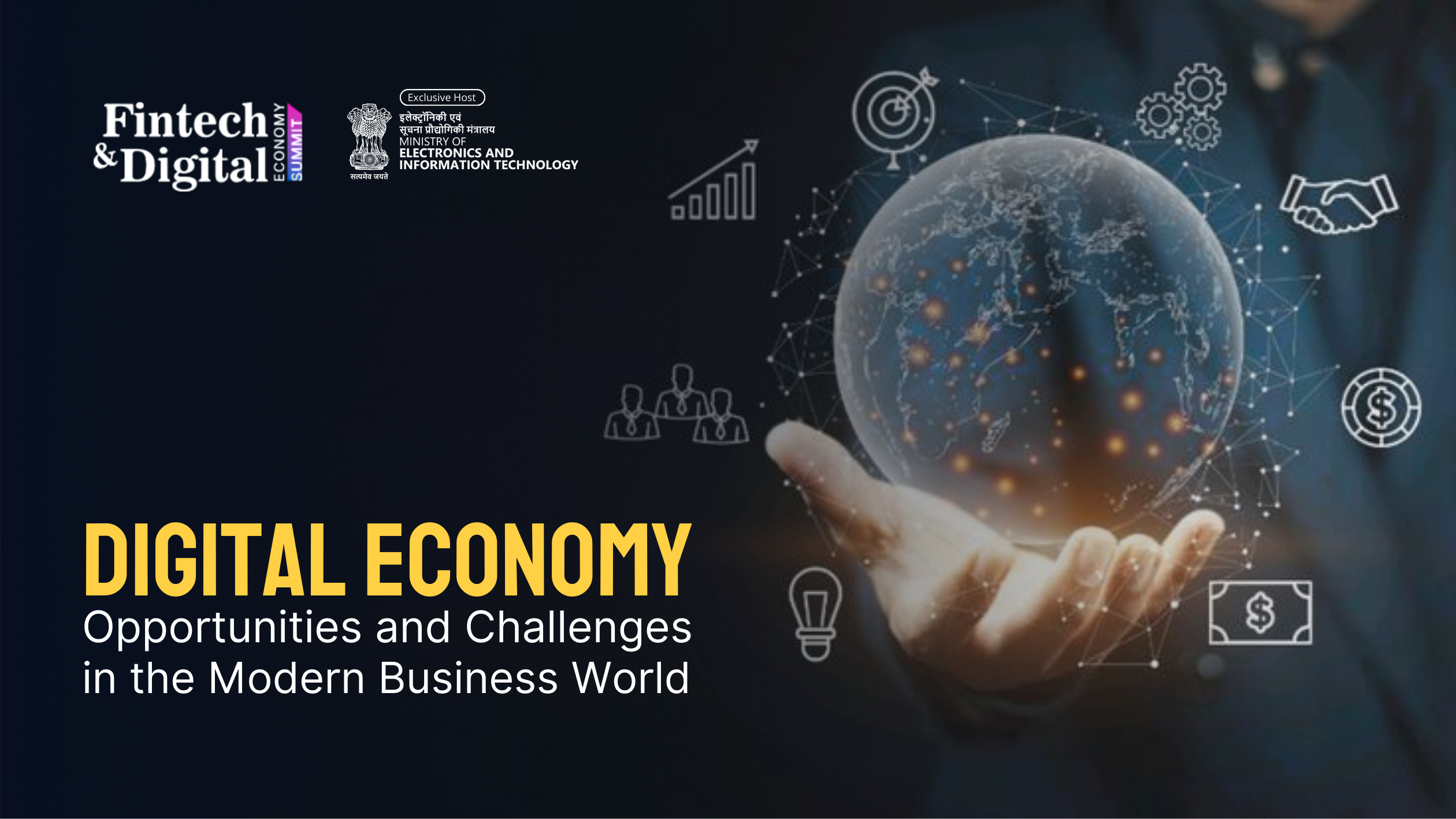
The digital economy opportunities and challenges are now at the center of every business conversation, every government policy, and every boardroom strategy around the world. From small startups in Bangalore to global banks in New York everyone is trying to figure out the same thing: how do we grow in this new world without falling behind or getting left out?
This article breaks it all down the real opportunities, the hard challenges, and what smart businesses are doing to stay ahead.
What Is the Digital Economy Really?
The digital economy is not just about tech companies or software. It covers every economic activity that runs on digital technologies online payments, e-commerce, cloud computing, AI, blockchain, digital banking, and more.
According to recent global reports, the digital economy now accounts for over 15% of global GDP and that number is growing every year. In countries like India, the UPI payment revolution alone has processed over 100 billion transactions. That is the scale we are talking about.
Understanding the full scope of digital economy opportunities and challenges means looking at both sides clearly not just the exciting parts, but the real friction points too.
The Big Opportunities Businesses Cannot Afford to Ignore
1. Financial Inclusion at Scale
Over 1.4 billion adults worldwide are still unbanked. The digital economy is changing that. Mobile wallets, digital lending, and decentralized finance (DeFi) are reaching people that traditional banks never could. For businesses, this means an entirely new customer base hundreds of millions of first-time financial service users ready to spend, save, and invest.
2. AI-Driven Business Efficiency
Artificial intelligence is no longer just a buzzword. It is cutting operational costs, improving fraud detection, personalizing customer experiences, and automating processes that used to take entire teams. Businesses that embed AI early are seeing productivity gains that their competitors simply cannot match.
3. Cross-Border Commerce Made Simple
Digital payments and blockchain-based settlement are collapsing the barriers of international trade. A small business in Chennai can now sell to a customer in Canada with the same ease as selling locally. The global marketplace is no longer reserved for big corporations it is open to everyone.
4. New Asset Classes and Investment Models
Tokenized assets, digital bonds, and crypto-backed financial instruments are creating investment opportunities that did not exist five years ago. WealthTech platforms are democratizing investing, giving retail investors access to products previously available only to institutions.
The Challenges That Are Holding Businesses Back
As exciting as the growth is, the digital economy opportunities and challenges always come as a pair. For every door that opens, there is a new problem waiting behind it.
Cybersecurity Threats Are Escalating
As more money and data moves online, cybercriminals are getting more sophisticated. In 2024 alone, financial cybercrime cost businesses over $10 trillion globally. Ransomware, phishing, identity theft, and deepfake fraud are no longer rare events they are constant threats that every digital business must actively defend against.
Regulatory Complexity Across Borders
Every country has different rules for digital transactions, data privacy, and financial services. For businesses operating globally, compliance is a moving target. GDPR in Europe, DPDP Act in India, MiCA for crypto in the EU the regulatory landscape is fragmented and fast-changing. Keeping up requires dedicated legal and compliance teams that many small businesses simply do not have.
The Digital Divide Is Still Real
Not everyone has equal access to fast internet, smartphones, or digital literacy. The digital economy opportunities and challenges are often distributed unevenly those already ahead get more advantages, while those behind get further excluded. Bridging this divide is not just a social responsibility; it is a business imperative for sustainable growth.
Trust and Transparency Deficits
Digital-first businesses often struggle to build the same level of trust as traditional institutions. Data breaches, hidden fees, algorithmic bias, and lack of transparency in AI decision-making are eroding consumer confidence. Businesses that prioritize ethical practices and open governance will win long-term.
What Smart Businesses Are Doing Differently
The businesses winning in today’s digital economy opportunities and challenges landscape are not just the ones with the biggest budgets. They are the ones making smarter moves.
They are investing in RegTech: Regulatory Technology tools that automate compliance, monitor risks in real time, and reduce the cost of staying legal across multiple jurisdictions.
They are building on interoperable infrastructure: Rather than creating closed systems, forward-thinking companies are building on open APIs and blockchain protocols that allow seamless collaboration with other players.
They are attending the right conversations: The leaders shaping the digital economy are not just reading about trends they are in the rooms where policy is being made, partnerships are being formed, and innovations are being shared.
Which brings us to the most important event of 2026 for anyone serious about the digital economy.
🌐 FEATURED EVENT
Fintech & Digital Economy Summit 2026
📅 07–08 May, 2026 | 📍 Sahar Hotel, Mumbai, Maharashtra | 🌐 fintechde.com
Finance is moving fast are policies keeping up? The future of finance is being rewritten through AI, Digital Assets, RegTech, and Global Compliance. This is the summit where the rewriting happens.
Join industry leaders, innovators, and policymakers at India’s most anticipated FinTech event of 2026. Explore the technologies and strategies shaping tomorrow’s digital financial ecosystem live, in person, in Mumbai.
This summit brings together the brightest minds in:
FinTech • Blockchain • DeFi • WealthTech • Cybersecurity • AI Governance • RegTech • Digital Payments
Whether you are a startup founder, a bank executive, a policy maker, or an investor this summit was built for you. It is where bold ideas turn into actionable strategies, and where the global digital economy moves forward.
👉 Block your date. Register now at fintechde.com
The Road Ahead: What to Expect by 2030
The next five years will define the next fifty. The digital economy opportunities and challenges we face today are building the foundation for how the entire world will transact, govern, and grow tomorrow.
Central Bank Digital Currencies (CBDCs) will reshape monetary policy. AI will govern everything from loan approvals to market surveillance. Decentralized identity systems will give individuals control over their own data. And cross-border regulatory frameworks will finally start catching up to the speed of innovation.
The businesses and governments that invest in understanding these shifts now not later will be the ones writing the rules everyone else follows.
Final Thought: The Digital Economy Waits for No One
The digital economy opportunities and challenges are not a distant conversation anymore. They are happening right now, in every industry, in every country, at every level of business and government.
The question is not whether to participate in the digital economy. The question is whether you will lead it or be left behind by it.
Stay informed. Stay connected. And if you want to be in the room where the real conversations are happening mark your calendar for May 7–8, 2026 in Mumbai.